MINIMALLY INVASIVE CARE
Gastroscopy
A minimally invasive endoscopic examination of the oesophagus, stomach and upper small intestine for accurate diagnosis of gastrointestinal disease.
What is Gastroscopy?
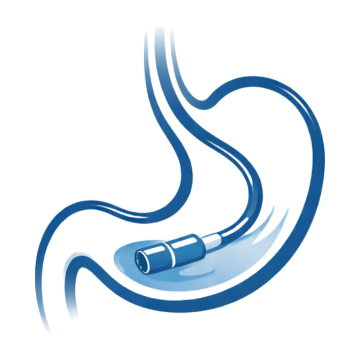
Gastroscopy (upper gastrointestinal endoscopy) uses a flexible camera passed through the mouth to examine the oesophagus, stomach and upper small intestine (duodenum) in high detail. It is one of the most valuable diagnostic tools in veterinary medicine, particularly when routine tests are unclear or symptoms persist.
A major strength is its ability to detect mucosal disease that may not appear on X-rays or ultrasound. Targeted biopsies can be taken safely with minimal, controlled bleeding, allowing a definitive diagnosis of inflammatory, infectious and neoplastic conditions. It is performed under general anaesthesia and most pets recover quickly.

Key Benefits
Why this minimally invasive approach is the right choice for your pet.
Minimally invasive
No large incisions, with very low complication and mortality rates.
Accurate biopsies
High-quality tissue samples from mucosal surfaces that imaging can miss.
Faster recovery
Most pets recover quickly after the procedure.
In Detail
A closer look at how this procedure works and what it can diagnose and treat.
Why it is important
Gastrointestinal diseases can be complex and difficult to diagnose using external tests alone. Gastroscopy provides a direct and highly accurate assessment of the digestive tract.
Diagnostic accuracy and biopsy
A major strength of gastroscopy is its ability to detect mucosal disease, which may not be visible on imaging such as X-rays or ultrasound.
Preparation before gastroscopy
Gastroscopy is typically performed after initial, non-invasive investigations to ensure it is necessary and safe.
How the procedure works
Gastroscopy is performed under general anaesthesia. The entire process is atraumatic and well tolerated by most patients.
Limitations
While highly effective, gastroscopy has some limitations, so it is often combined with imaging techniques such as ultrasound or radiography for a complete evaluation.
What to Expect
Initial Investigations
We review history and run initial, non-invasive tests and imaging to confirm the procedure is appropriate and safe.
General Anaesthesia
Your pet is placed under general anaesthesia and carefully monitored to ensure comfort and safety.
Endoscopic Examination
The endoscope is gently introduced and the relevant structures are examined in high detail.
Sampling & Treatment
Biopsies or treatment are carried out during the same procedure where needed, and findings are discussed with you.
At a Glance
Anaesthesia
General
Approach
Minimally invasive
Endoscope
Flexible
Use
Diagnostic & therapeutic
Common signs
Frequently Asked Questions
Ready to Book Gastroscopy?
Speak with our team about your pet’s care and the right diagnostic approach.