MINIMALLY INVASIVE CARE
OtoEndoscopy
Advanced video-otoscopy to examine and treat the ear canal, eardrum and middle ear in fine detail.
What is Otoendoscopy?
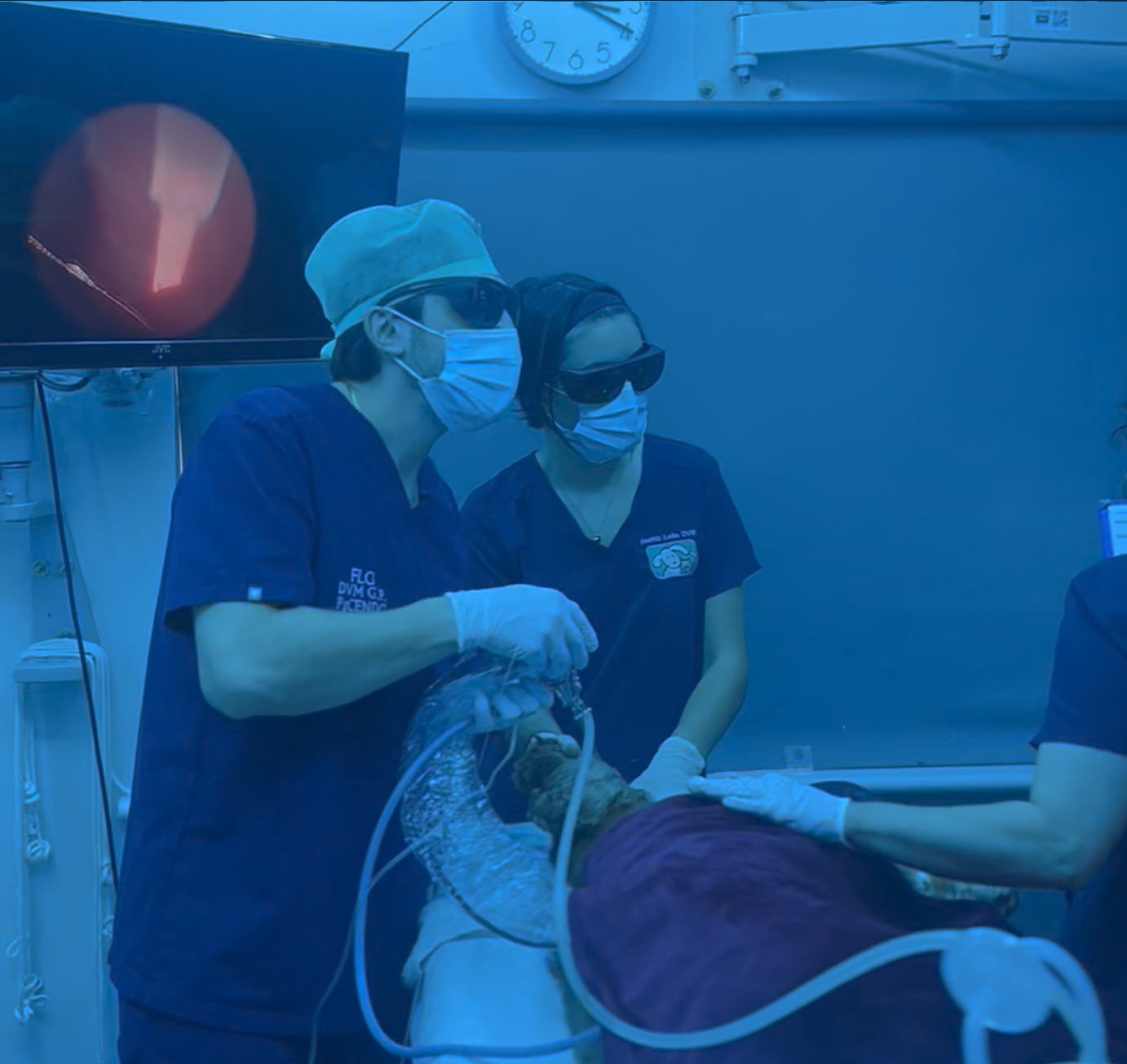
Otoendoscopy, also known as video-otoscopy, uses a high-definition endoscopic camera to examine the ear canal, tympanic membrane (eardrum) and middle ear structures in great detail. Unlike a standard handheld otoscope, it provides magnified, illuminated and recorded images for more accurate diagnosis and targeted treatment.
It is both diagnostic and therapeutic: through a specialised working channel the team can remove foreign material and debris, collect samples, take biopsies, and thoroughly flush and clean the ear canal under direct vision. The procedure is performed under general anaesthesia and is minimally invasive and well tolerated.
Key Benefits
Why this minimally invasive approach is the right choice for your pet.
Magnified clarity
High magnification and illumination for detailed, accurate assessment.
Treat under vision
Remove debris and foreign material, biopsy and flush the canal directly.
Recorded images
Images and video allow progress monitoring and clear owner communication.
In Detail
A closer look at how this procedure works and what it can diagnose and treat.
Why it is important
Ear disease (otitis) is one of the most common conditions seen in veterinary practice, particularly in dogs. Some cases become chronic or recurrent, making them difficult to manage.
Common causes of chronic ear disease
Diagnostic and therapeutic capabilities
Through a specialised working channel, otoendoscopy is not only diagnostic but also therapeutic.
Deep ear cleaning and flushing
A key advantage is the ability to perform comprehensive ear flushing under direct vision, which is particularly important in chronic or severe otitis.
The system includes flushing and suction capabilities, allowing the ear to be cleaned and dried effectively essential for successful treatment.
Procedure and safety
Otoendoscopy is typically performed under general anaesthesia to ensure patient comfort and a thorough, pain-free examination. It is minimally invasive and well tolerated, with a low risk of complications.
Monitoring and communication
The ability to record images and videos offers important advantages.
What to Expect
Initial Investigations
We review history and run initial, non-invasive tests and imaging to confirm the procedure is appropriate and safe.
General Anaesthesia
Your pet is placed under general anaesthesia and carefully monitored to ensure comfort and safety.
Endoscopic Examination
The endoscope is gently introduced and the relevant structures are examined in high detail.
Sampling & Treatment
Biopsies or treatment are carried out during the same procedure where needed, and findings are discussed with you.
At a Glance
Anaesthesia
General
Approach
Minimally invasive
Imaging
HD, recorded
Use
Diagnostic & therapeutic
When it is recommended
Frequently Asked Questions
Ready to Book OtoEndoscopy?
Speak with our team about your pet’s care and the right diagnostic approach.